AUTUMN 2026 SURVEY REPORT IN BAHÍA BUEN SUCESO AND NAVIGATION TO ISLA DE LOS ESTADOS (TIERRA DEL FUEGO, ARGENTINA): SEABIRDS AND COMPLEMENTARY RECORDS OF TERRESTRIAL BIRDS
By: Jorge La Grotteria and María Alejandra SosaPublished on June 7th, 2026
Communication #5, visits #329In May 2026, a new survey was conducted in Buen Suceso Bay, Le Maire Strait, and northern Staten Island (Tierra del Fuego, Argentina), continuing studies started in 2024 and allowing comparisons between spring and autumn. Results showed a marked seasonal change in species composition and abundance, also influenced by sea conditions, daylight, and prevailing winds. Several species that were abundant in spring declined, while others increased, particularly pelagic birds recorded during navigation through Le Maire Strait. New landing sites also allowed the first surveys of terrestrial fauna in previously unexplored areas such as Buen Suceso Bay.


Jorge La Grotteria
Computer Systems Engineer
Developer and administrator, since 2011, of the citizen science platform EcoRegistros, dedicated to the recording and documentation of fauna and flora (www.ecoregistros.org).
Editor for ten years of EcoRegistros' scientific outreach magazine.
Author of more than 30 published scientific outreach works.
Reviewer for various scientific outreach publications from several journals.
Member of the Argentine Committee of Ornithological Records of Aves Argentinas.
ContactE-mail: jorgelagrotteria@ecoregistros.org
Instagram: @jorgelg212

María Alejandra Sosa
Bachelor's Degree in Biology, specialization in Paleontology
CONICET Doctoral Fellow
Thesis student at the Faculty of Natural Sciences and Museum of the National University of La Plata.
Develops her doctoral thesis on modern and fossil penguins from Marambio Island, Antarctica.
Author of scientific and outreach works, with 17 publications completed.
ContactE-mail: alejandrasosa@fcnym.unlp.edu.ar
Instagram: @alesosa_15
«« Acknowledgments »»
We would like to express our sincerest gratitude to the Argentine Navy, to the head of the Austral Naval Area, Rear Admiral Guillermo Prada, to the Fast Patrol Boat A.R.A. Indómita (P-86), to Commander Carlos Horacio Vázquez, Second Commander Marcelo Leonel Bustos, the entire senior staff, and every member of the crew, who made our participation possible during the navigation through the Beagle Channel, Le Maire Strait, Bahía Buen Suceso, and Isla de los Estados, in Tierra del Fuego Province, Argentina. We also thank Germán Tarapow for all his support during this campaign.
Their professionalism, hospitality, and collaborative spirit made it possible to carry out this valuable survey. It was a true privilege and honor to accompany and observe firsthand the daily work carried out in one of the southernmost and most strategic territories of the country.
In May 2026, we returned to Staten Island (Tierra del Fuego, Argentina) with the objective of continuing and expanding our studies initiated during the spring 2024 campaign. The primary goal was to compare the results obtained between both seasons, evaluating seasonal variations in the composition and abundance of seabirds. At the same time, new landing sites were incorporated for surveys of terrestrial and insular fauna in sectors that had not previously been explored and for which no land-based species lists are known on any platform, except for our own records from the previous campaign, which had been conducted from the vessel.
The results obtained could indicate a marked turnover in species composition between spring and autumn within the surveyed area. However, these differences cannot be interpreted exclusively from a seasonal perspective, since multiple environmental variables significantly influenced the observations. Among these, oceanographic conditions, daylight availability, and particularly wind intensity and direction played a determining role in the detectability and behavior of the recorded birds. These findings become even more relevant considering that sampling effort during autumn was substantially lower than during spring, both in terms of campaign duration and effective survey hours.
The decline or absence of species recorded in high abundance during spring became particularly evident, such as the Sooty Shearwater (Ardenna grisea) and the Magellanic Diving Petrel (Pelecanoides magellani). In contrast, several pelagic species showed important increases in their records. The White-chinned Petrel (Procellaria aequinoctialis) exhibited considerably greater abundance compared to the previous campaign. The Cape Petrel (Daption capense), for example, was observed on four occasions, whereas only a single individual had been documented during spring. However, the most remarkable case corresponded to the Southern Fulmar (Fulmarus glacialoides), which during the spring campaign had only been recorded as isolated individuals near the mouth of the Beagle Channel, whereas during this autumn survey it became one of the dominant species throughout Le Maire Strait, greatly exceeding one hundred observed individuals.
Regarding terrestrial birds, the data obtained do not allow direct comparisons with the previous campaign because landings were conducted at different sites. Consequently, the records obtained at Bahía Buen Suceso and Puerto Parry should primarily be interpreted as an expansion of previously generated species lists.
Campaign itinerary and conditions
The autumn 2026 campaign began on May 20 with departure from Ushuaia (Tierra del Fuego, Argentina) during nighttime hours. Navigation allowed arrival at dawn on May 21 at Bahía Buen Suceso, where the first landing and the first ornithological surveys in that sector of Península Mitre were conducted.
Subsequently, the crossing toward Isla de los Estados was undertaken through the Le Maire Strait. Sea conditions were exceptionally calm during the crossing. The route was completed during the afternoon hours, a circumstance that probably influenced the reduced aerial activity observed, since many birds remained resting on the sea surface. Most individuals detected in flight showed movements predominantly oriented from north to south.
Arrival at Puerto Parry occurred at sunset. It should be considered that, during this time of year, sunset occurs at approximately 5:15 PM, considerably reducing the daytime windows available for surveys. Landing took place under twilight conditions, allowing only limited exploration of the immediate surroundings.
Finally, the return to Ushuaia was carried out by crossing once again through the Le Maire Strait and subsequently the Beagle Channel during nighttime hours, arriving at port during the early morning of May 22.
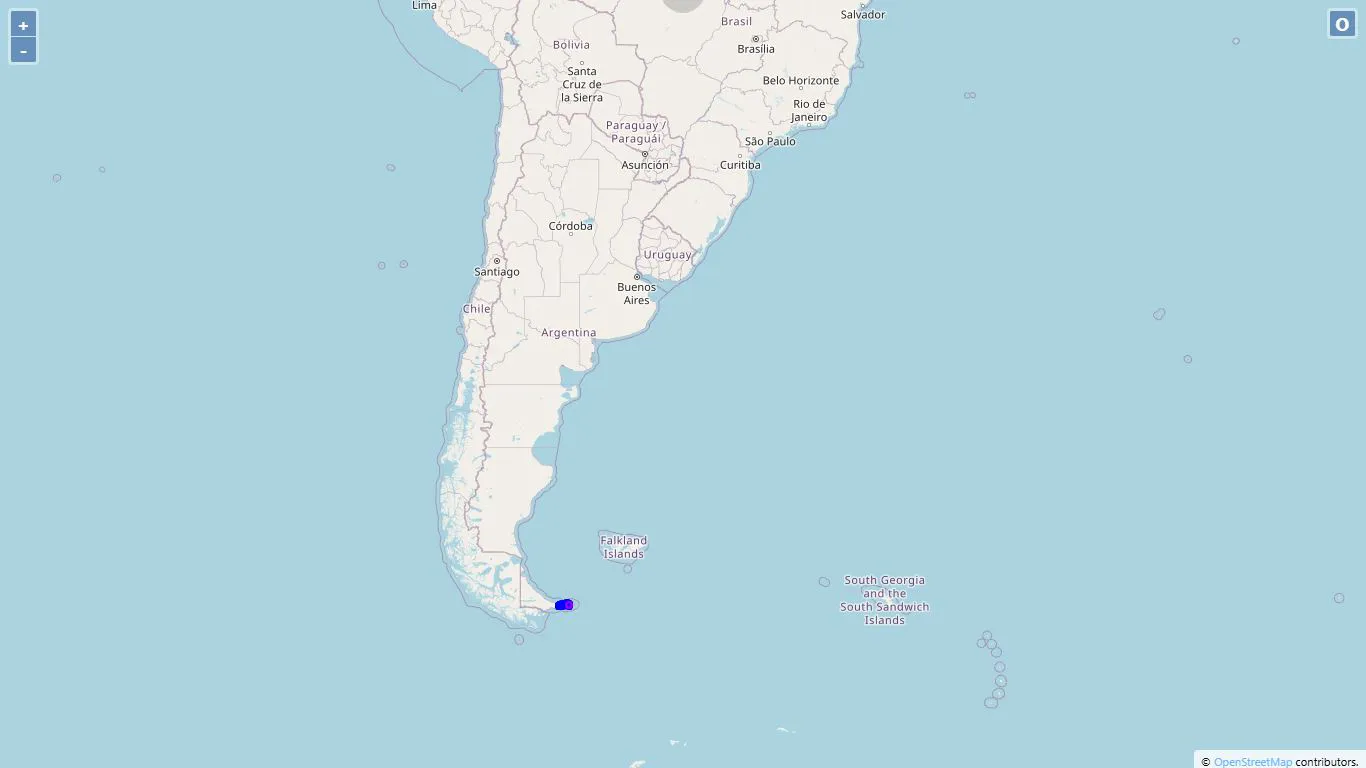
Map 1. Location of the study area and navigation route corresponding to the autumn 2026 campaign, showing the surveyed sector. Image generated by EcoRegistros using OpenLayers and OpenStreetMap technology.
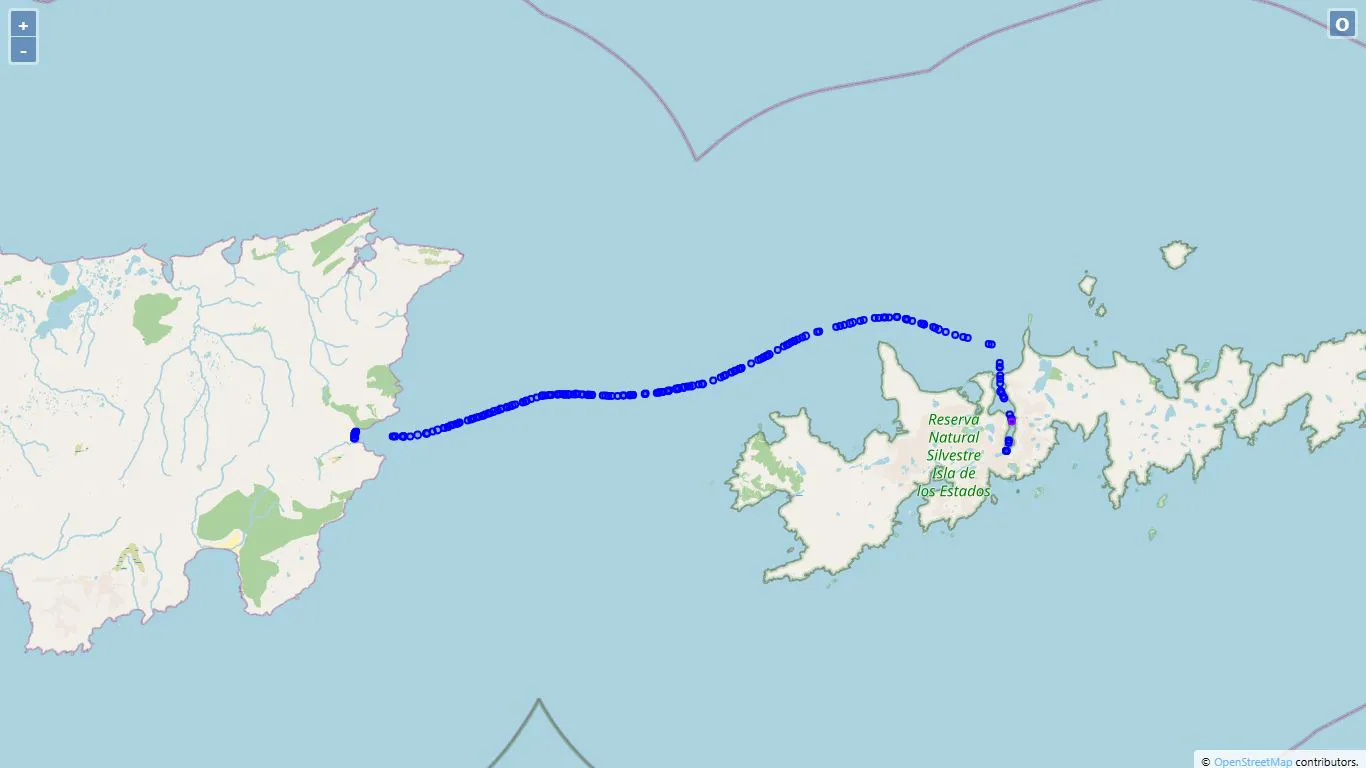
Map 2. Detailed view of the study area showing the navigation route between Bahía Buen Suceso and Staten Island (Tierra del Fuego, Argentina) through Le Maire Strait, corresponding to the autumn 2026 campaign. Image generated by EcoRegistros using OpenLayers and OpenStreetMap technology.
Methodological considerations
During this new campaign, seabird surveys were focused exclusively on autumn conditions. The seasonal reduction in daylight hours significantly impacted operational logistics, requiring schedules, routes, and observation strategies to be reorganized in order to maximize the efficiency of the sampling effort.
General results
During the autumn campaign, a total of 29 species associated with marine, coastal, and terrestrial environments were recorded, revealing a community primarily dominated by coastal and marine birds. The species with the highest detection frequency was the Southern Fulmar (Fulmarus glacialoides), with 62 independent records and a total of 160 observed individuals, also becoming the most abundant species throughout the campaign. This pattern was particularly noteworthy considering that during the previous survey the species had shown considerably lower records, suggesting marked seasonal variation in its presence within the study area.
Among the most abundant species were also the Imperial Shag (Leucocarbo atriceps) with 70 recorded individuals, the Black-browed Albatross (Thalassarche melanophris) with 55 individuals, the Kelp Gull (Larus dominicanus) with 37 individuals, and the Southern Giant Petrel (Macronectes giganteus) with 24 individuals. Together, these species accounted for a large proportion of the observations made during navigation through Le Maire Strait and adjacent sectors.
The recorded community simultaneously showed a high proportion of scarcely detected species. A total of 14 species were recorded only once throughout the campaign, including marine, coastal, and terrestrial birds, reflecting a combination of localized occurrence, low relative abundance, and limitations inherent to sampling effort. Among the rarest species were the Magellanic Penguin (Spheniscus magellanicus), the Magellanic Diving Petrel (Pelecanoides magellani), the Neotropic Cormorant (Nannopterum brasilianum), and the Buff-winged Cinclodes (Cinclodes fuscus), all represented by a single observed individual.
In general terms, the results obtained were primarily focused on pelagic birds, especially representatives of the order Procellariiformes, since the survey was mainly oriented toward marine environments and navigation routes, whereas terrestrial birds were mostly represented by punctual and opportunistic records associated with landing sites. Overall, these results provide new information regarding the seasonal composition of bird communities present in the eastern sector of the Isla Grande of Tierra del Fuego and adjacent marine areas.
| Species | Individuals | Coordinates | Conservation Status |
|---|---|---|---|
| Kelp Goose (Chloephaga hybrida) | 12 | 4 | LC |
| Crested Duck (Lophonetta specularioides) | 2 | 1 | LC |
| Flightless Steamer Duck (Tachyeres pteneres) | 2 | 1 | LC |
| Silvery Grebe (Podiceps occipitalis) | 3 | 1 | LC |
| Snowy Sheathbill (Chionis albus) | 3 | 1 | LC |
| Blackish Oystercatcher (Haematopus ater) | 9 | 3 | LC |
| Dolphin Gull (Leucophaeus scoresbii) | 4 | 1 | LC |
| Kelp Gull (Larus dominicanus) | 37 | 7 | LC |
| Magellanic Penguin (Spheniscus magellanicus) | 1 | 1 | LC |
| Black-browed Albatross (Thalassarche melanophris) | 55 | 35 | LC |
| Procellaria sp. | 2 | 2 | - |
| Cape Petrel (Daption capense) | 4 | 4 | LC |
| Southern Giant Petrel (Macronectes giganteus) | 24 | 19 | LC |
| Southern Fulmar (Fulmarus glacialoides) | 160 | 62 | LC |
| White-chinned Petrel (Procellaria aequinoctialis) | 15 | 15 | VU |
| Sooty Shearwater (Ardenna grisea) | 2 | 1 | NT |
| Magellanic Diving Petrel (Pelecanoides magellani) | 1 | 1 | LC |
| Neotropic Cormorant (Nannopterum brasilianum) | 1 | 1 | LC |
| Rock Shag (Leucocarbo magellanicus) | 3 | 1 | LC |
| Imperial Shag (Leucocarbo atriceps) | 70 | 39 | LC |
| Turkey Vulture (Cathartes aura) | 5 | 4 | LC |
| Fire-eyed Diucon (Pyrope pyrope) | 4 | 2 | LC |
| Buff-winged Cinclodes (Cinclodes fuscus) | 1 | 1 | LC |
| Dark-bellied Cinclodes (Cinclodes patagonicus) | 3 | 3 | LC |
| Thorn-tailed Rayadito (Aphrastura spinicauda) | 6 | 3 | LC |
| Austral Thrush (Turdus falcklandii) | 2 | 1 | LC |
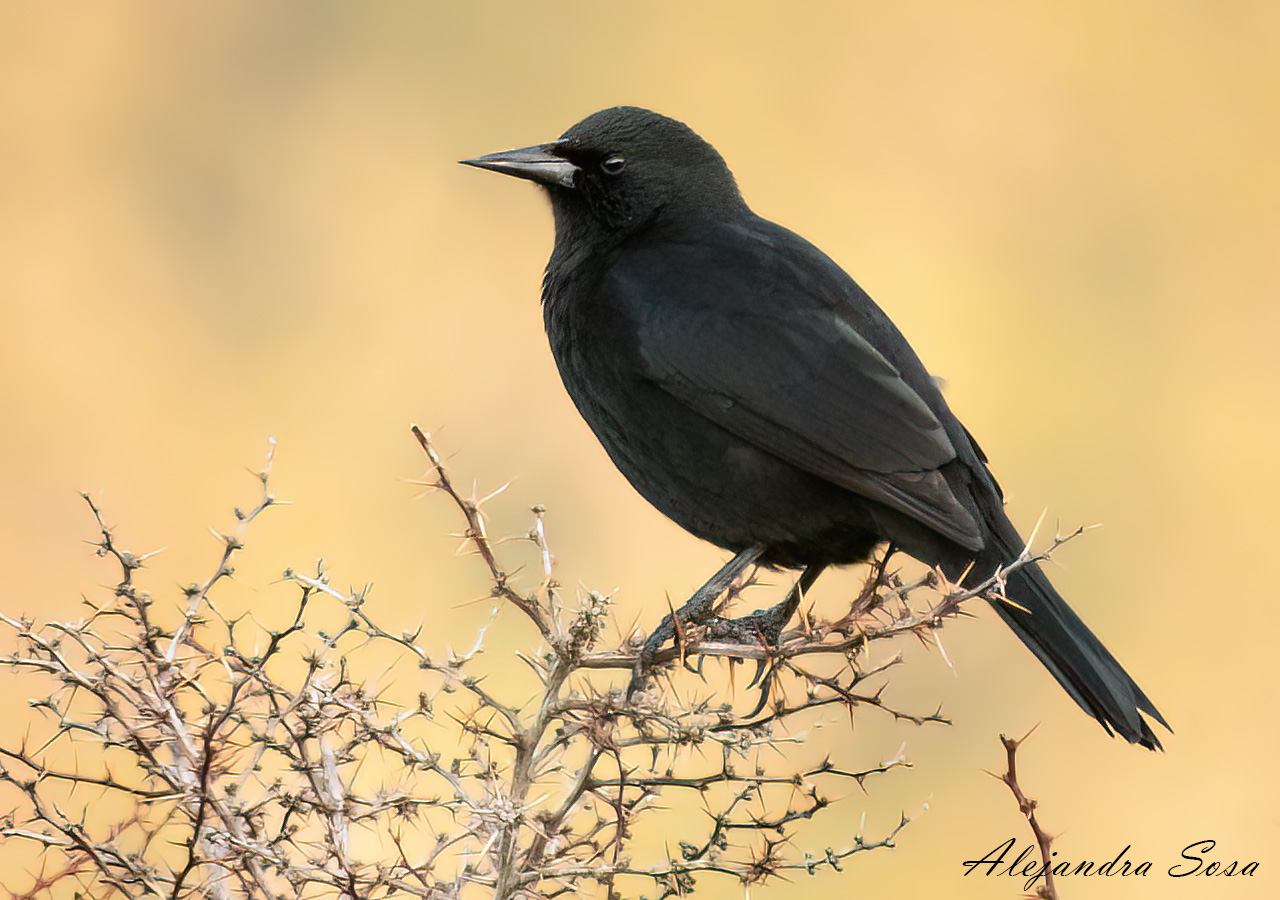
| Austral Blackbird (Curaeus curaeus) | 8 | 1 | LC |
| Patagonian Sierra Finch (Phrygilus patagonicus) | 3 | 1 | LC |
| South American Sea Lion (Otaria flavescens) | 3 | 3 | LC |
Table 1. Species recorded during the autumn 2026 campaign, showing total number of observed individuals, detection frequency (independent records), and conservation status according to the current international categories established by BirdLife International (2026).
Detailed results
In this section, we present the detailed results, differentiating the landing at Bahía Buen Suceso from navigation through the Le Maire Strait. The landing at Puerto Parry is not addressed at this point, since the available records were limited. Additionally, we provide evidence for some of the observed species, including comments on observations, number of individuals, and records when considered appropriate.
Le Maire Strait and northern Isla de los Estados
In this module, we present evidence and comments exclusively related to navigation through the Le Maire Strait and northern Isla de los Estados.
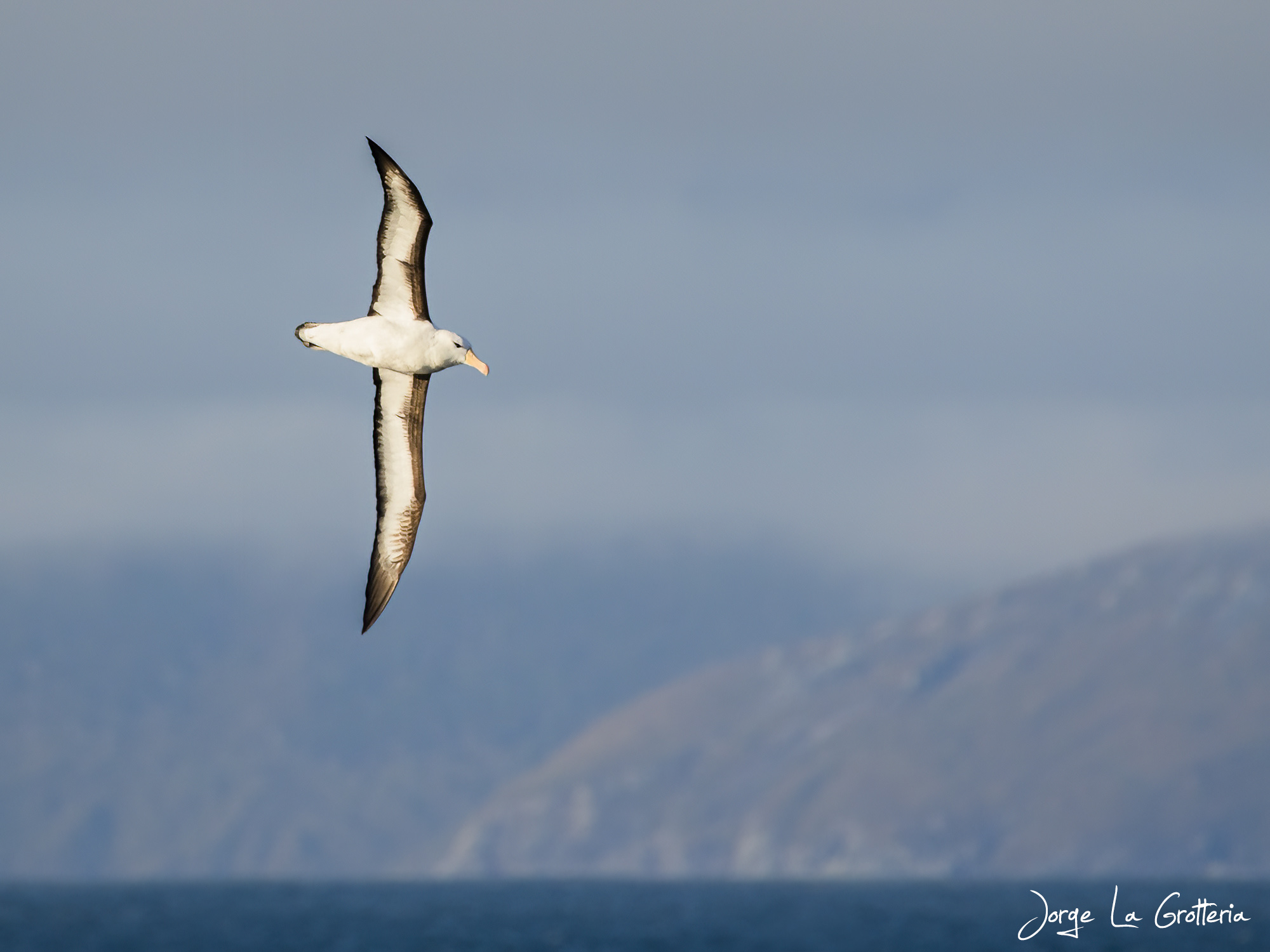
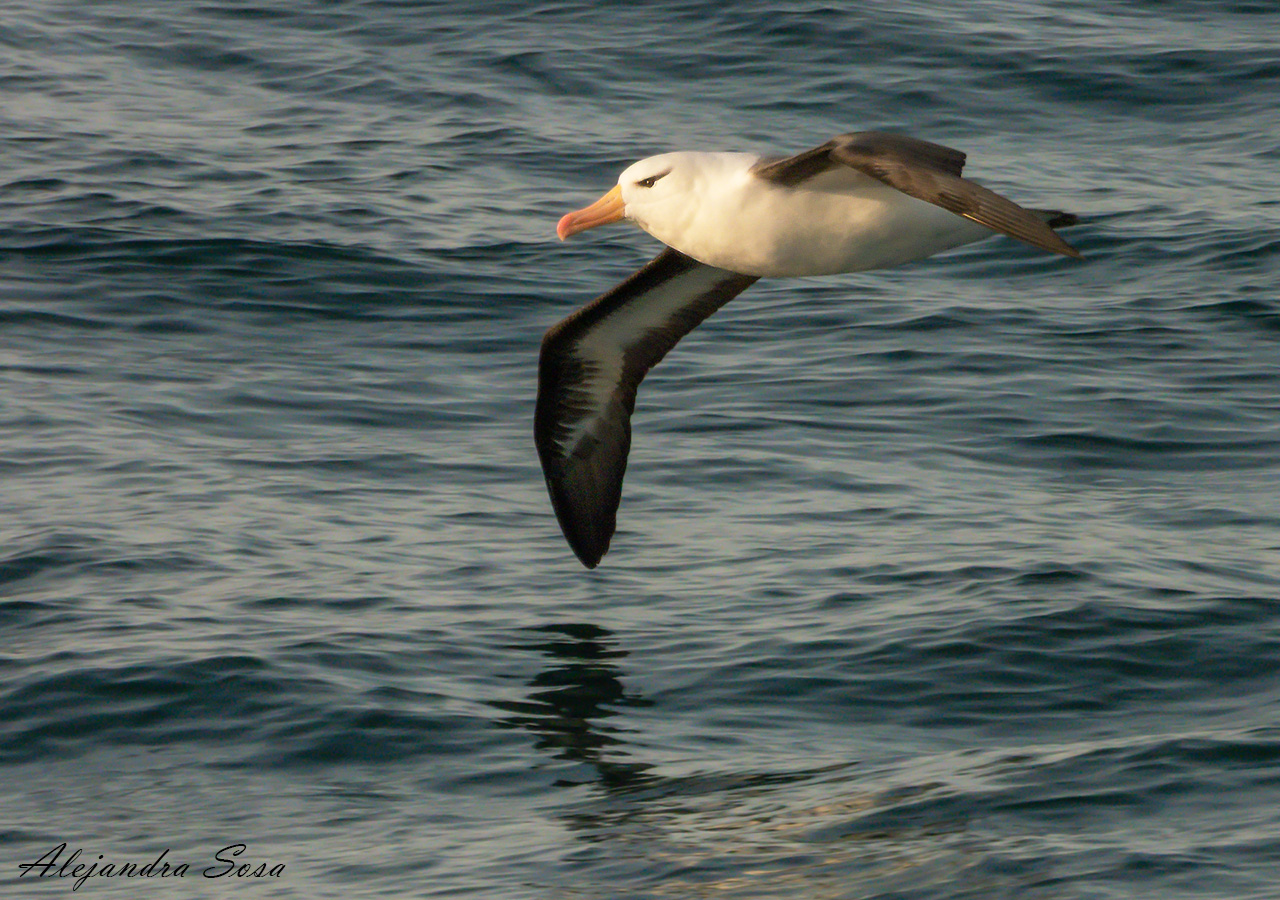
Black-browed Albatross (Thalassarche melanophris)
A total of 55 individuals were recorded, distributed across 35 coordinates. Although this figure is slightly lower than that of the spring campaign, it should be considered that a shorter distance was covered, making precise comparisons impossible.
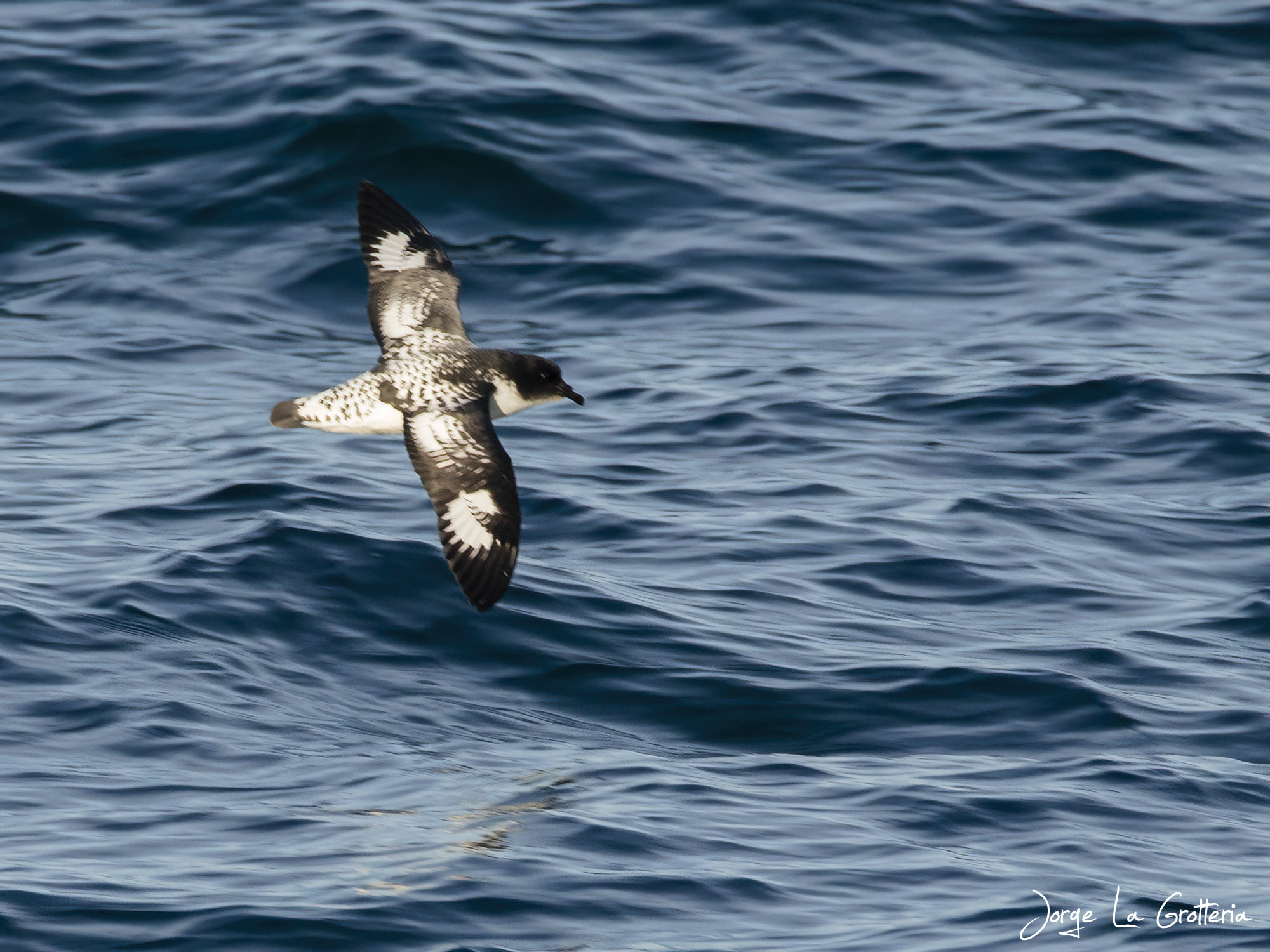
Cape Petrel (Daption capense)
We obtained 4 records, corresponding to isolated individuals. In this case, the number is higher, since during spring, despite covering a greater distance, we detected only one individual. Our observations are consistent, as this is a species that breeds in Antarctica and the South Atlantic islands and migrates to higher-latitude waters during winter. Therefore, it is expected to find more individuals at this time of year.
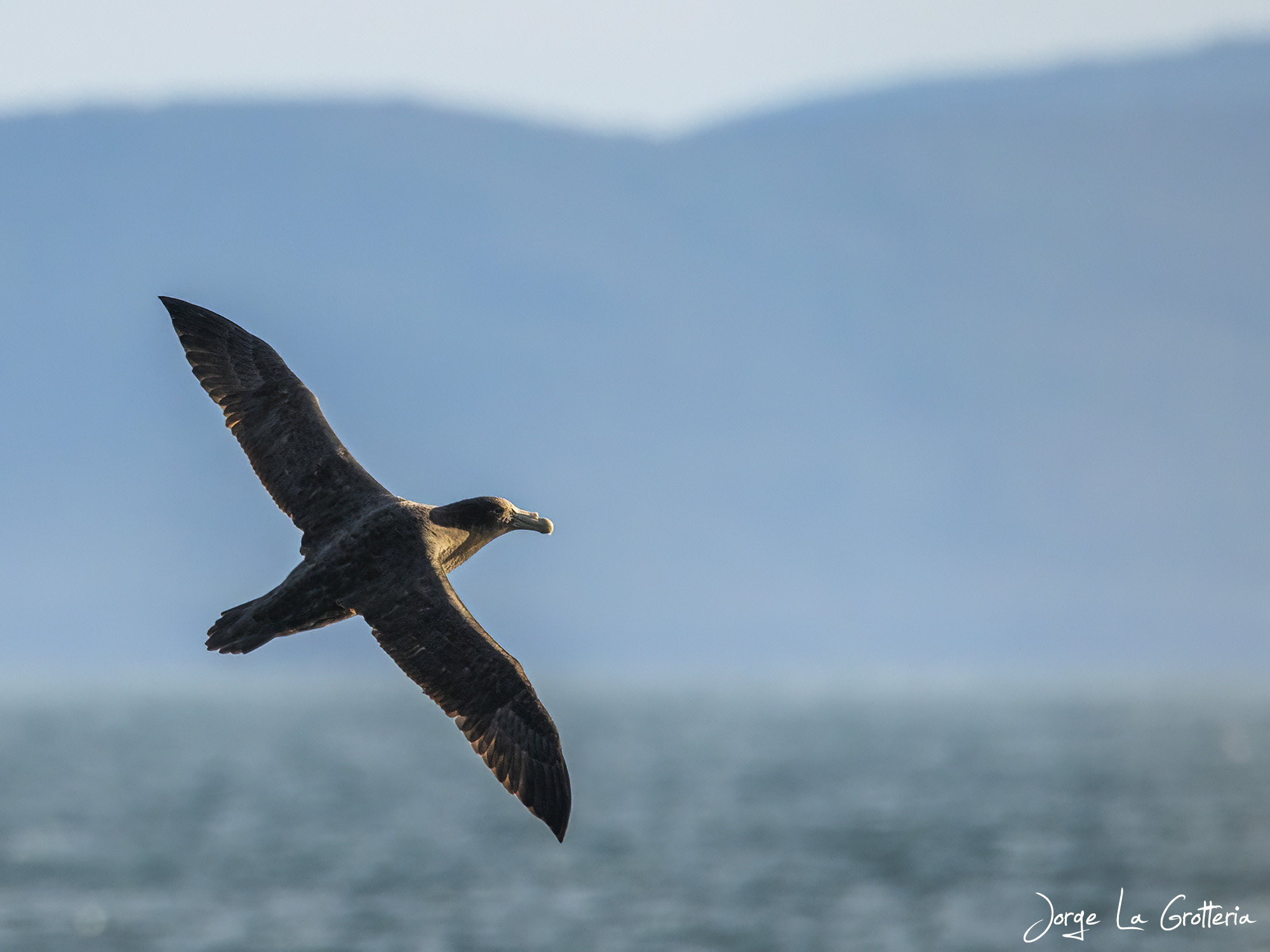
Southern Giant Petrel (Macronectes giganteus)
A total of 24 individuals distributed across 17 coordinates were identified, whereas 222 individuals distributed across 73 coordinates had been recorded during the previous campaign. However, this difference should be interpreted with caution, as the lower number of individuals observed during the second campaign would not necessarily reflect seasonal changes, but rather methodological differences and variations in survey conditions. During the second campaign, sampling effort was considerably lower, being limited to a single survey day, with fewer available daylight hours and without approaching the breeding colony on Observatory Island, unlike the previous campaign during which we navigated several times around its surroundings. Consequently, these results do not allow for drawing concrete conclusions regarding the seasonality of the species.
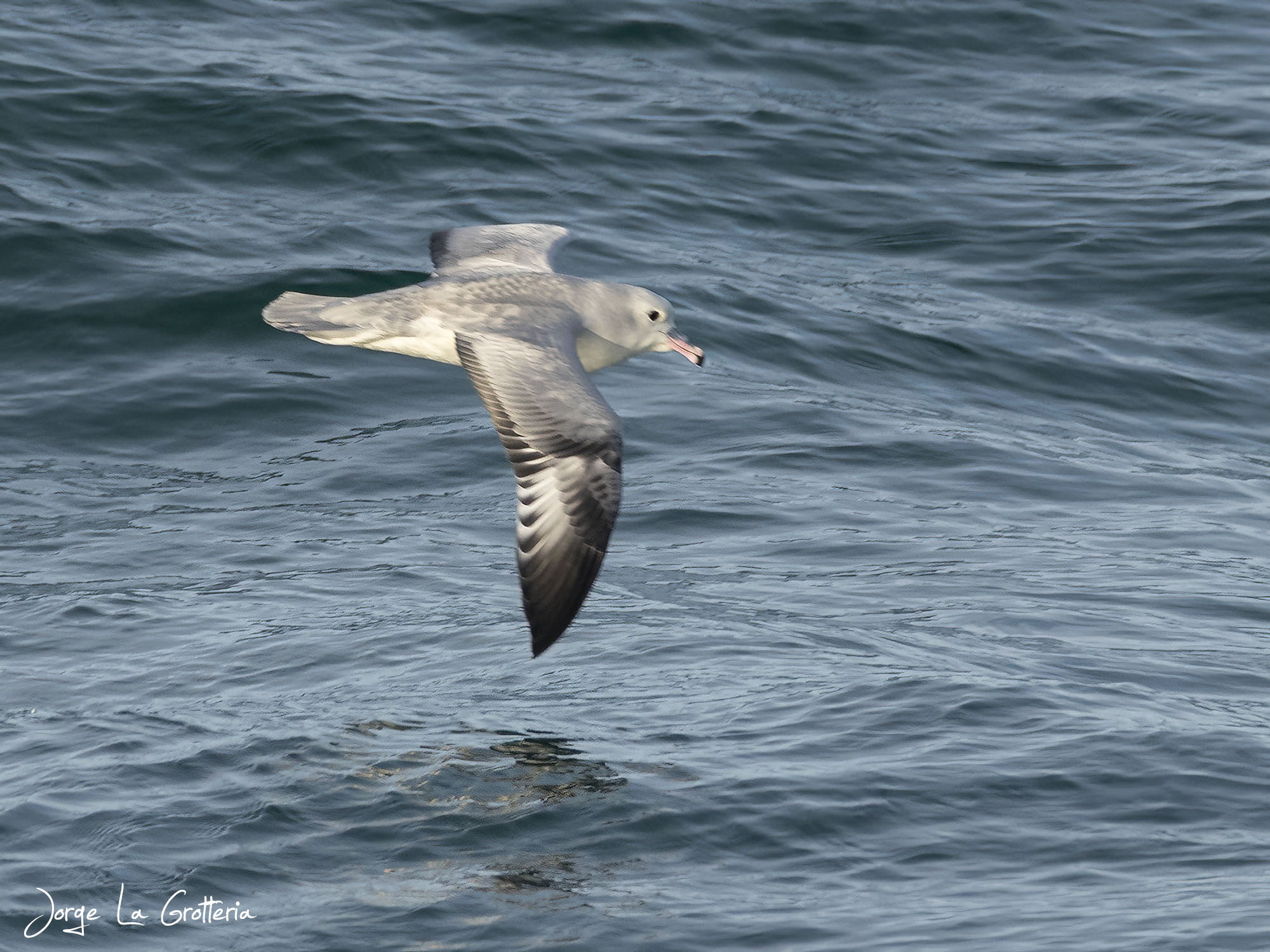
Southern Fulmar (Fulmarus glacialoides)
Although during spring we had counted 26 individuals across 18 coordinates (with only one in northern Isla de los Estados and the remainder at the mouth of the Beagle Channel), this time we obtained a total of 160 individuals across 62 coordinates throughout the Le Maire Strait. This species ranks as the most abundant procellariiform of the entire campaign, with results that, despite covering a shorter distance, greatly exceed those from the spring campaign. These results make a great deal of sense, since the Southern Fulmar breeds in subantarctic waters and, during winter, moves toward waters farther north.
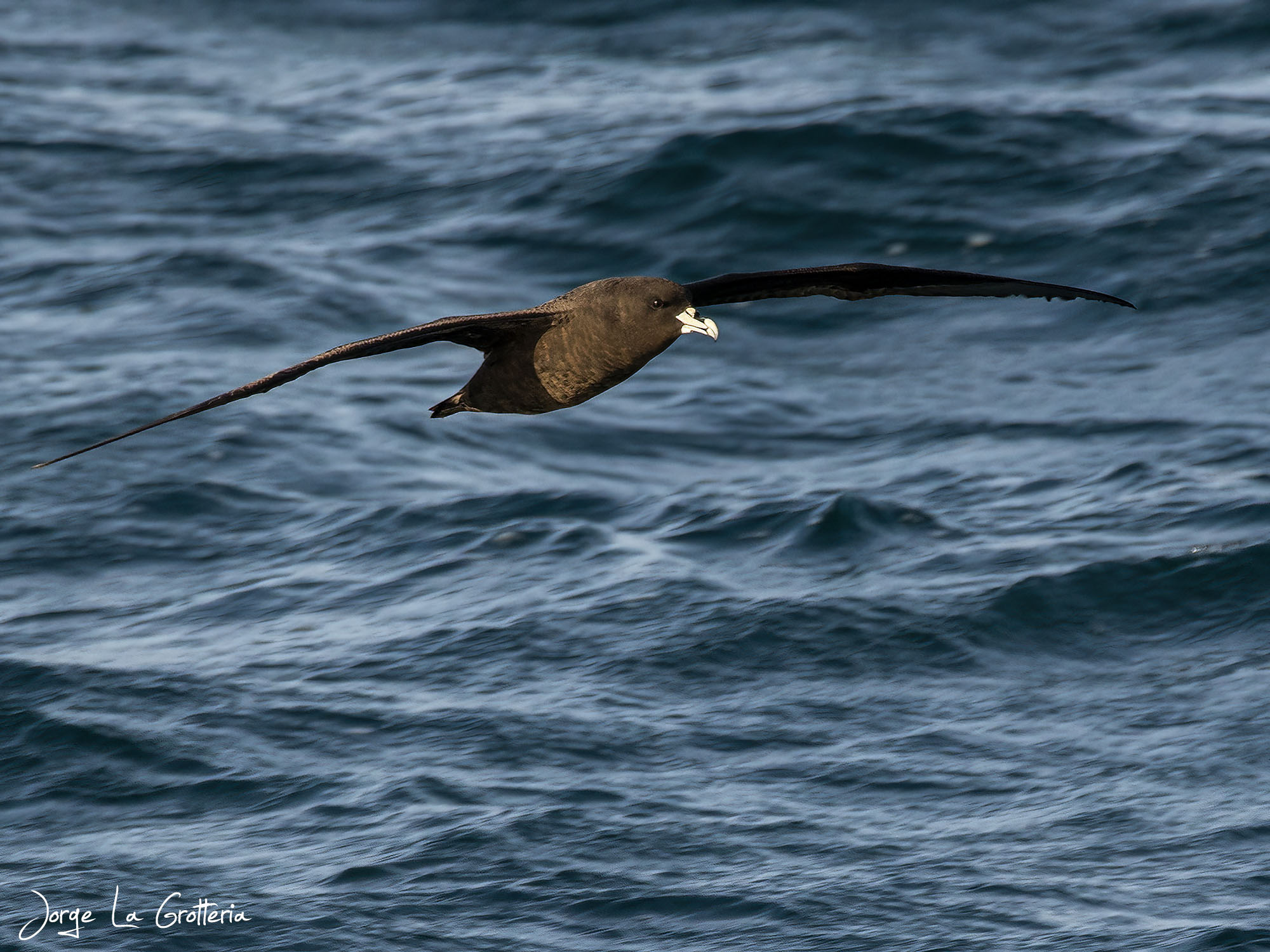
White-chinned Petrel (Procellaria aequinoctialis)
During the spring campaign, we had only recorded 2 individuals, whereas during the autumn campaign we detected 15, all flying from north to south. This increase was significantly greater, even after covering a shorter distance. This is particularly relevant since the White-chinned Petrel lacks concrete data regarding seasonal movements in the region.
Sooty Shearwater (Ardenna grisea)
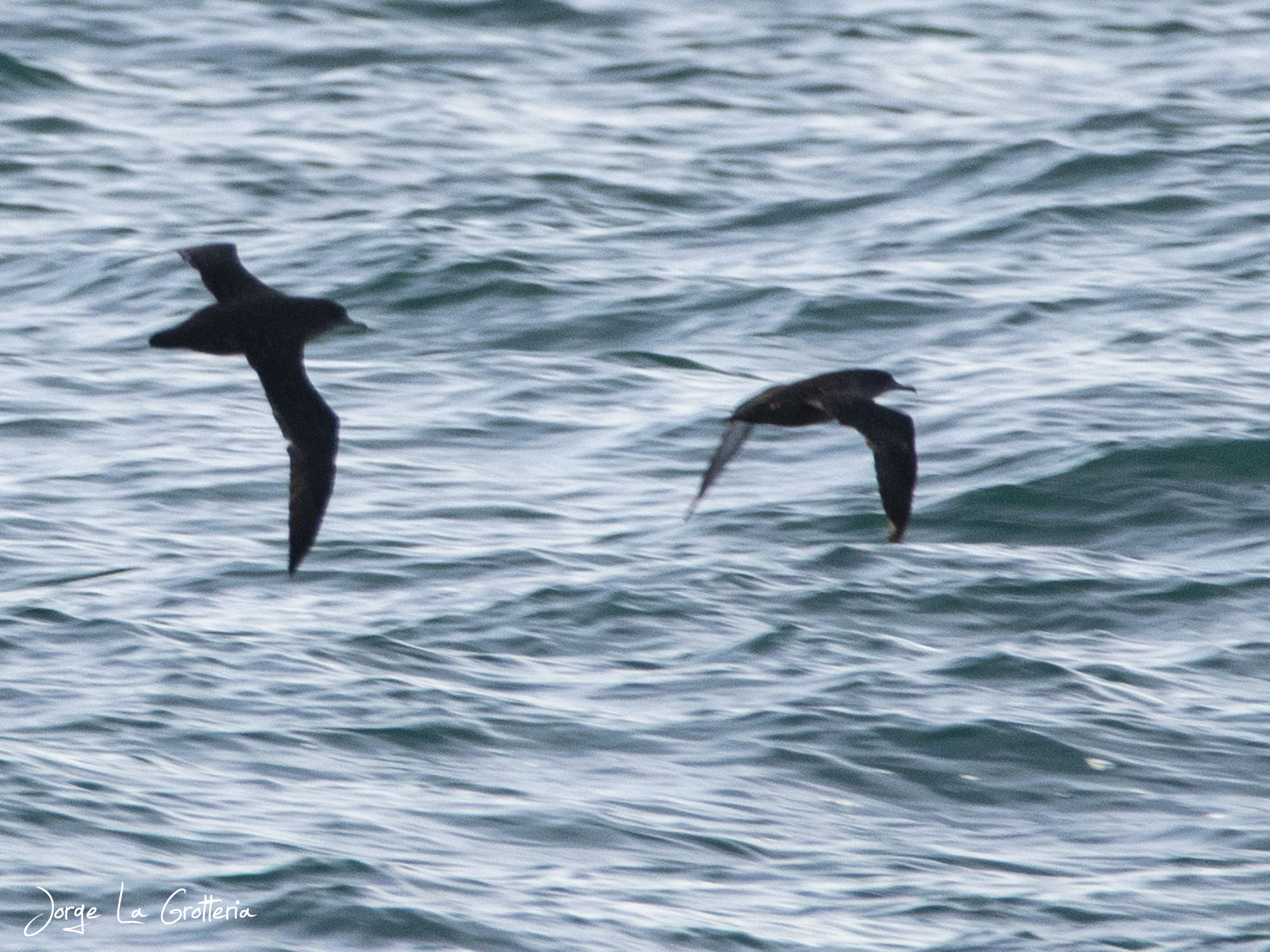
This represents one of the most interesting results of the entire campaign, as during spring we had detected 7,350 individuals distributed across 70 coordinates, whereas during this autumn campaign we were only able to observe two individuals flying together from north to south. Although methodological differences between both surveys — including lower sampling effort during the autumn campaign — should be considered when interpreting these results, the magnitude of the observed change is particularly striking. The contrast between recording thousands of individuals widely distributed throughout the study area and detecting only two individuals suggests that the species may undergo a marked population displacement away from this area during autumn.
Magellanic Diving Petrel (Pelecanoides magellani)
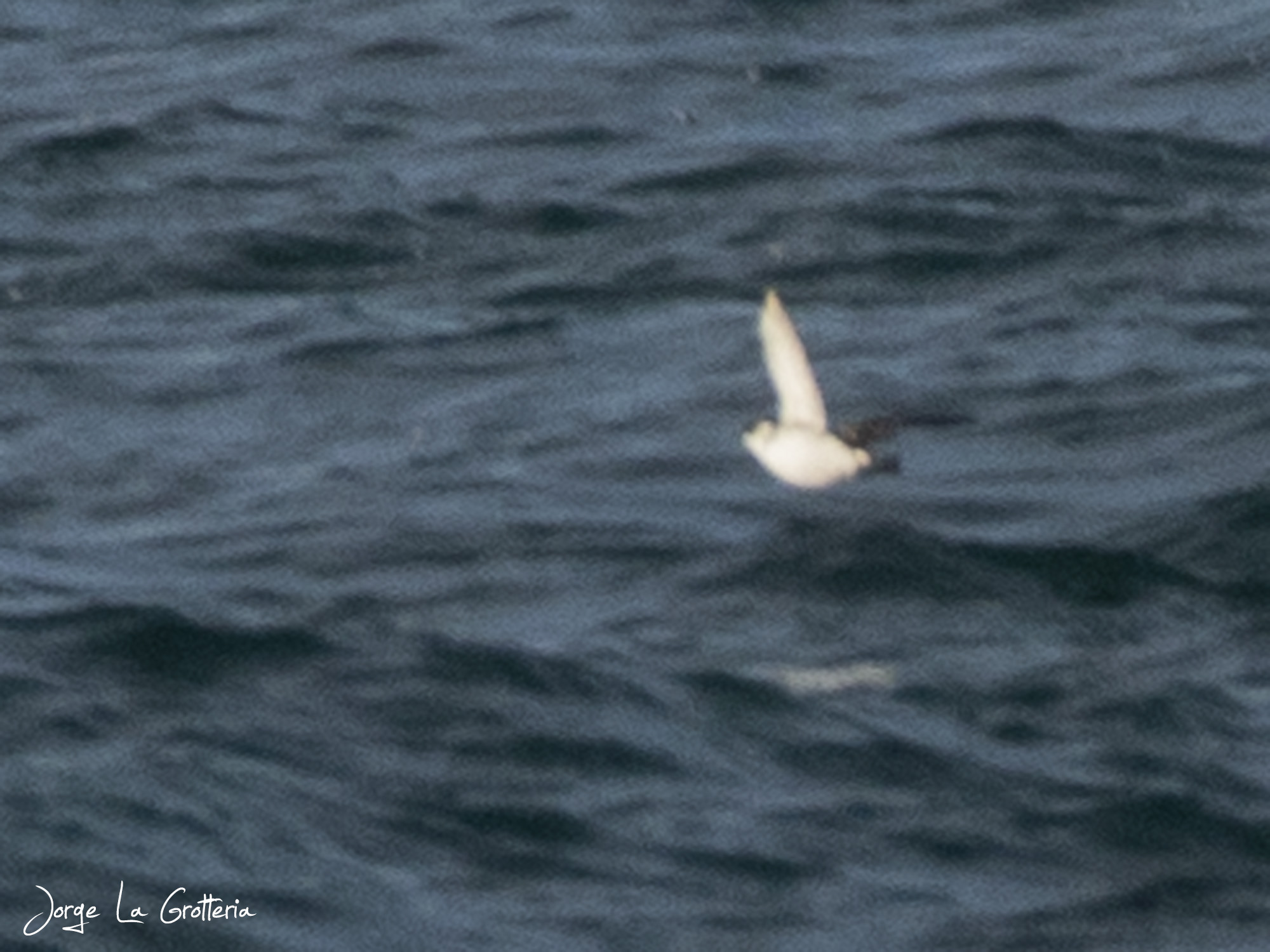
This species was also one of the most interesting results of the campaign, since during spring, especially in northern Isla de los Estados, we had detected 28 individuals across 16 coordinates. However, this time we did not observe any individuals in the north of the island, only one flying eastward in the Le Maire Strait. Nevertheless, this comparison cannot be made directly, since we arrived at the northern part of the island at sunset, whereas most spring records were obtained at dawn. Therefore, this comparison is not direct and no conclusions can be drawn.
Imperial Shag (Leucocarbo atriceps)
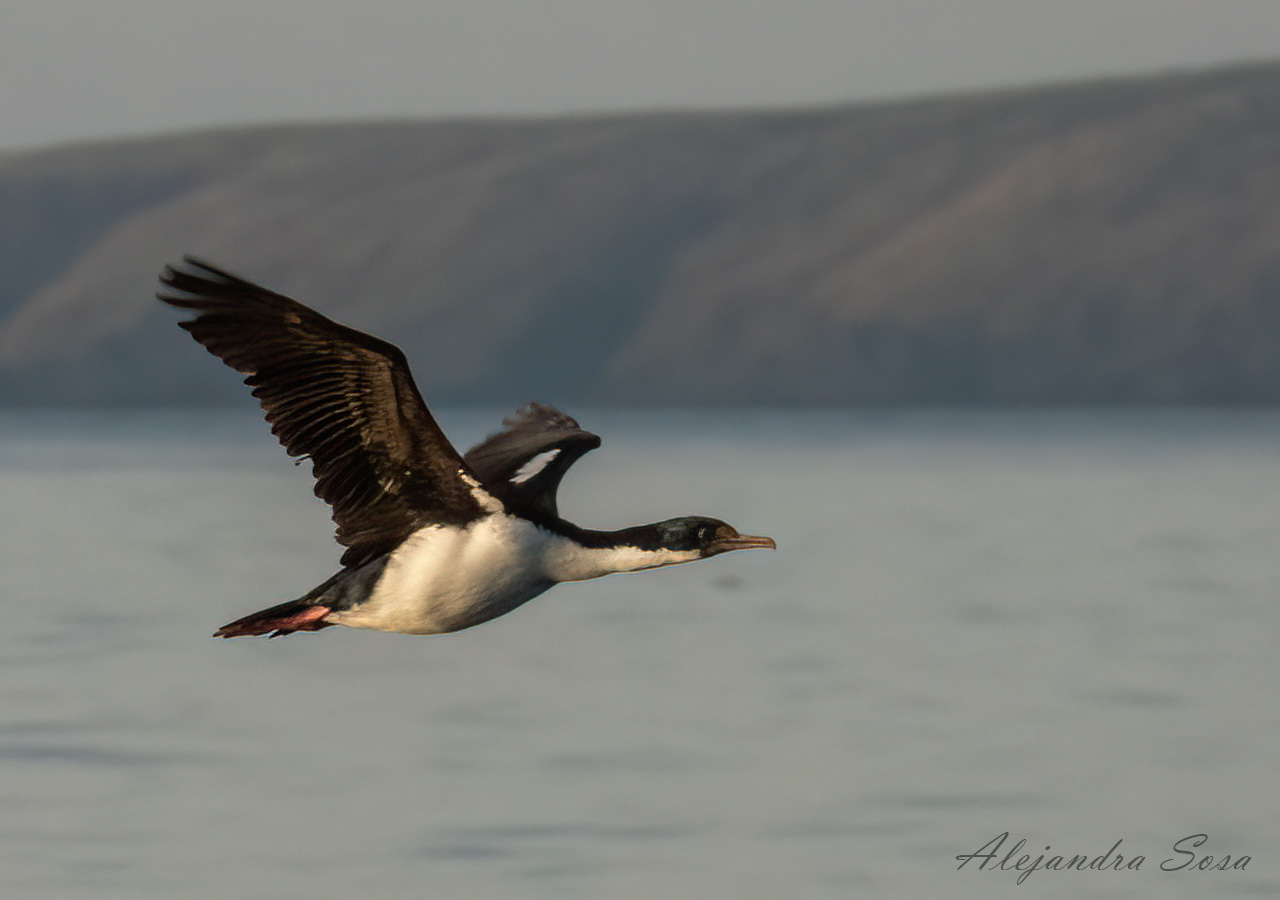
During the spring campaign, we had detected 3,473 individuals distributed across 160 coordinates, whereas during this campaign we detected only 70 individuals across 39 locations. However, this difference should be interpreted with caution, as the comparison between both surveys is not straightforward. During this campaign, we did not approach the breeding colonies on Observatory Island, unlike the previous campaign, during which we conducted extensive surveys around their surroundings, which considerably influenced the number of individuals recorded. Consequently, the observed differences likely reflect variations in survey effort and prospecting conditions rather than temporal changes in the abundance or distribution of the species.
Bahía Buen Suceso
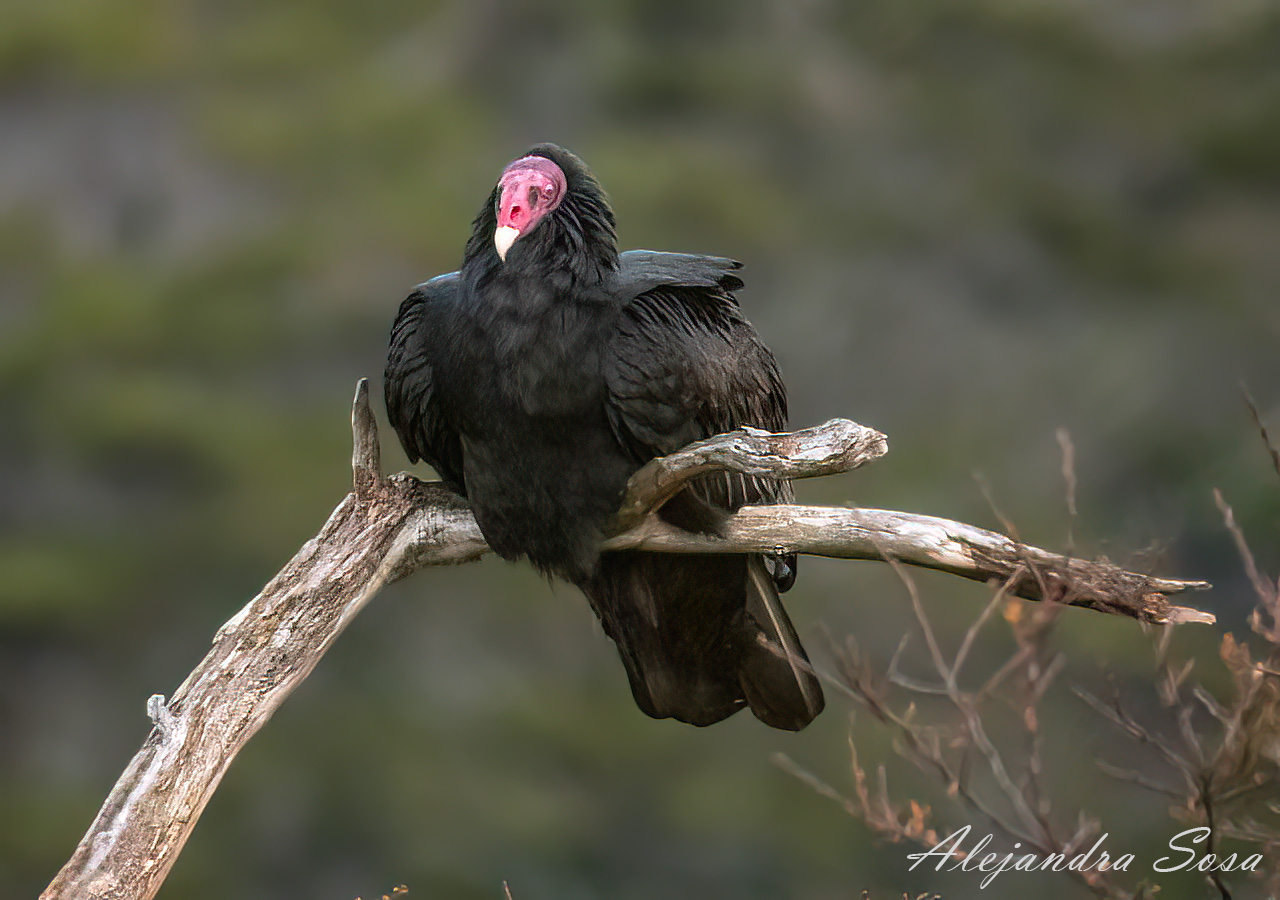
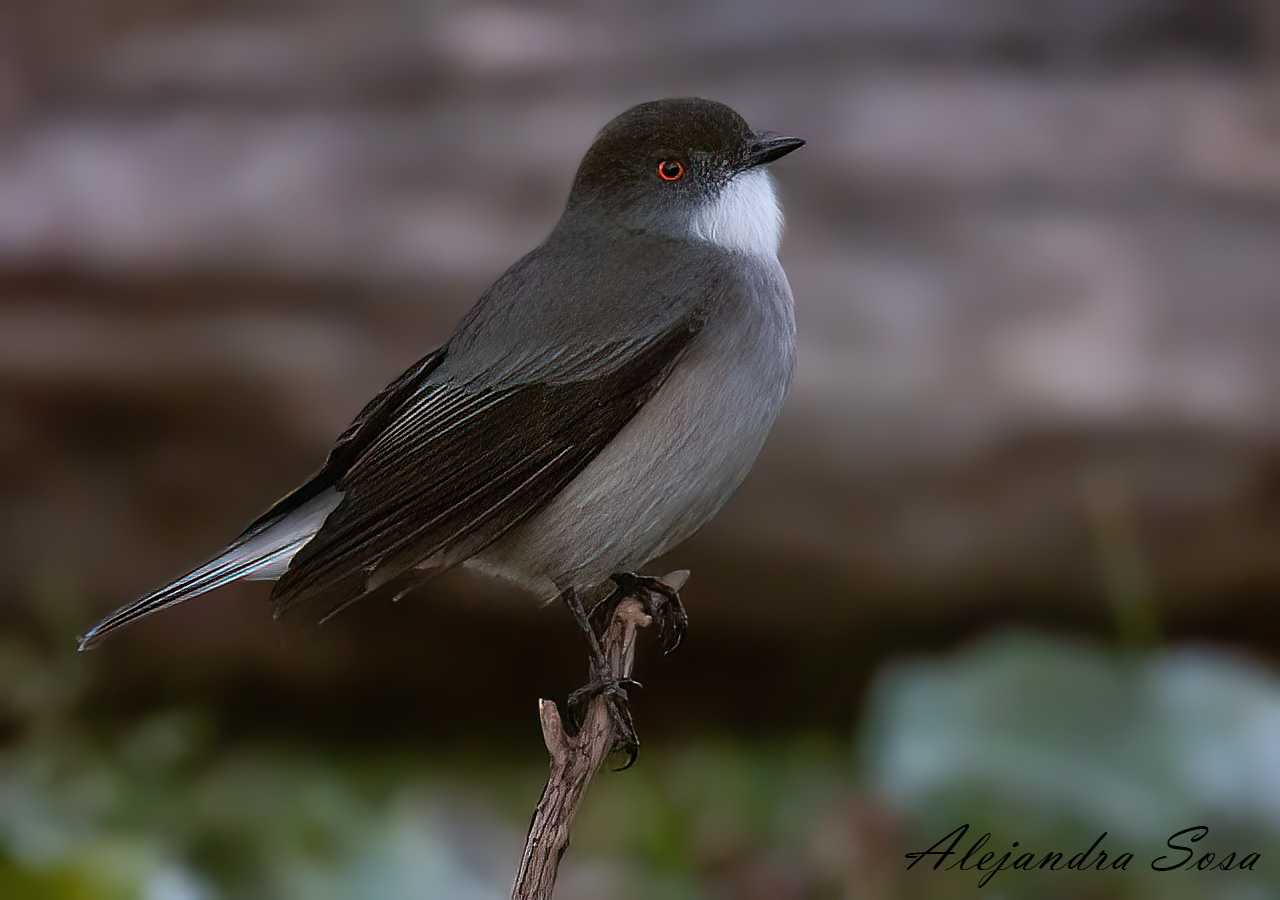
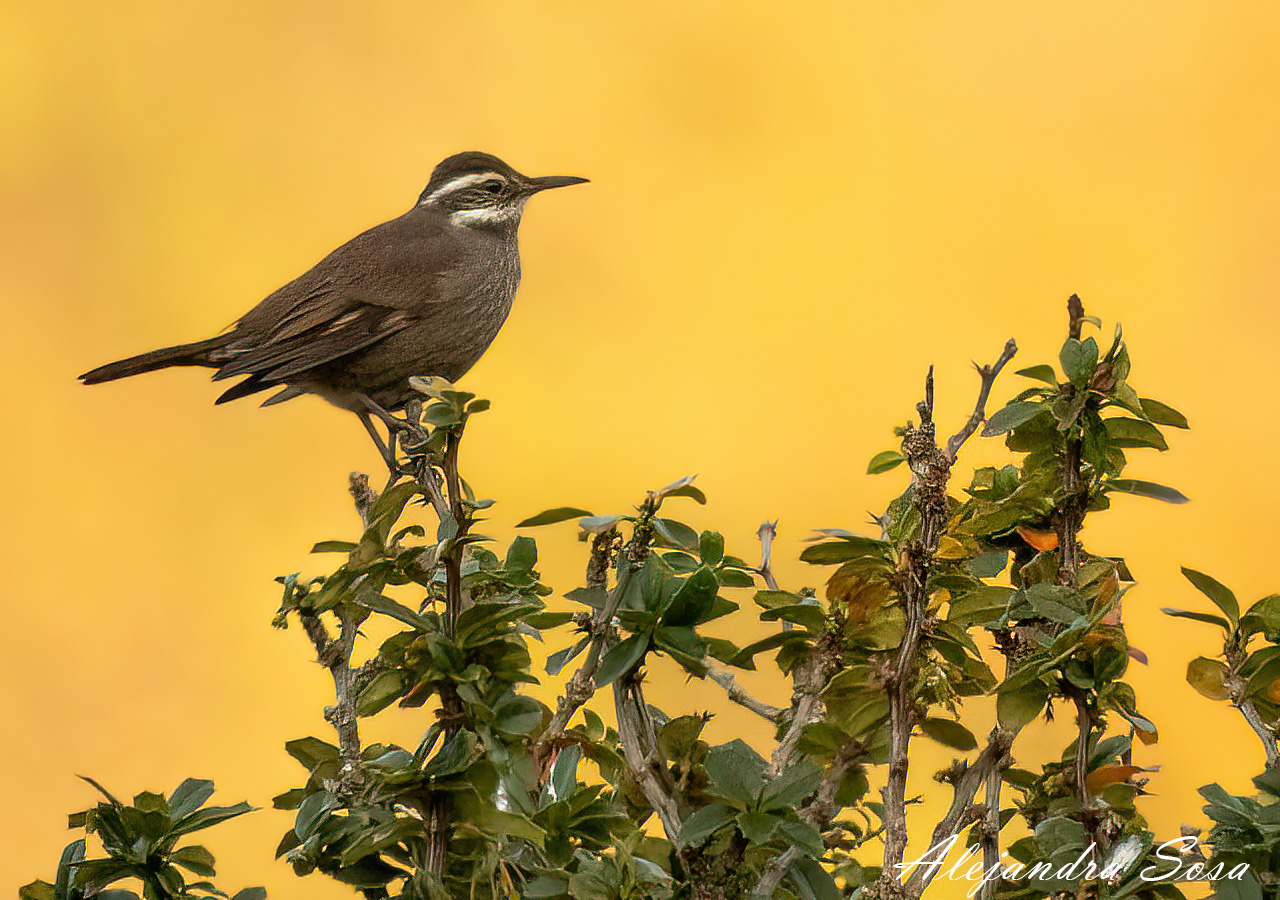
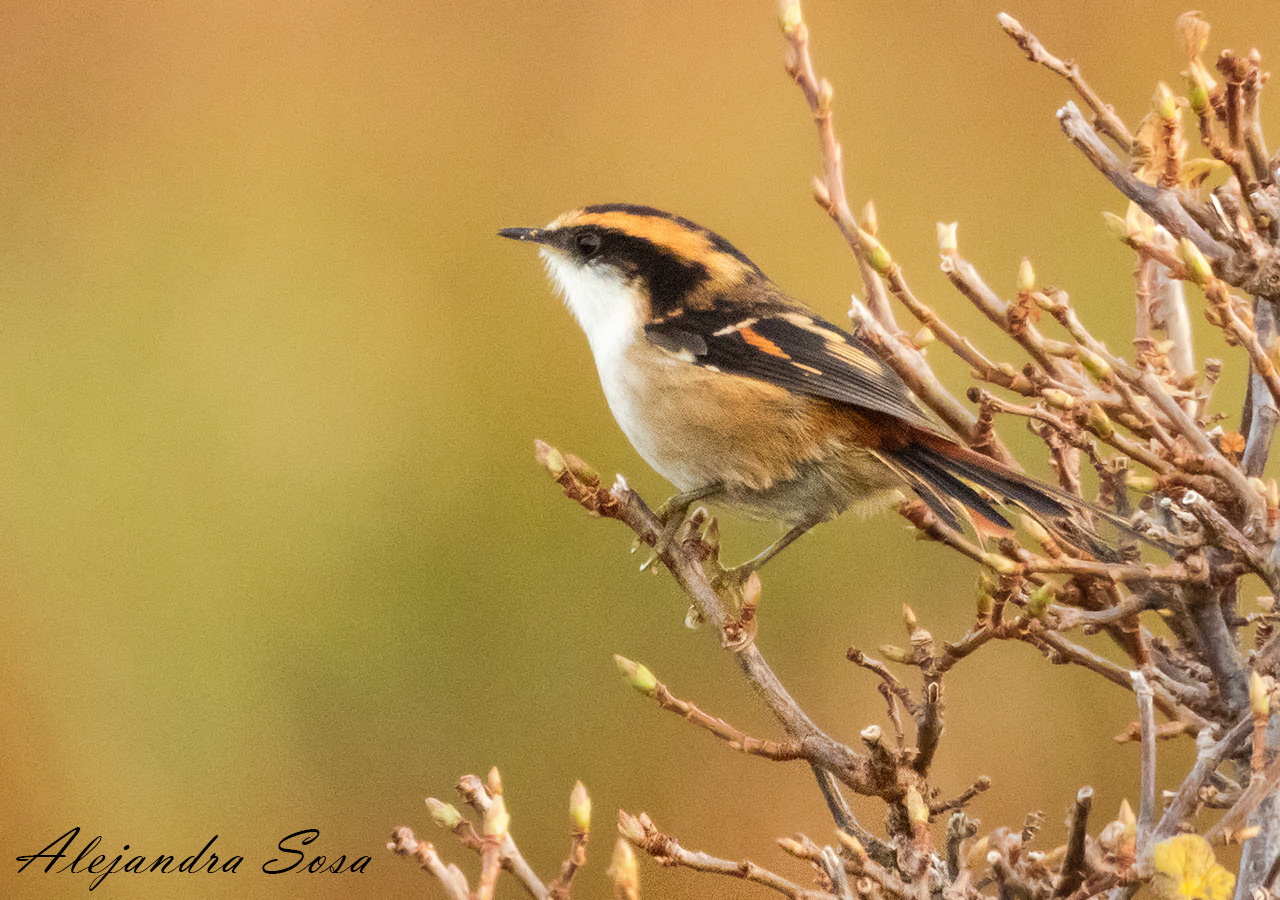
Between both campaigns, we compiled a list of 18 recorded species (https://www.ecoregistros.org/site/lugar.php?id=87702), while during this most recent campaign the total reached 15 bird species (https://www.ecoregistros.org/site/checklist.php?id=6131). It should be noted that the methodology differed substantially between both campaigns: during the first campaign, surveys were conducted exclusively from the vessel, whereas during the second campaign a landing was also carried out, remaining on land for approximately one and a half hours.
Below, we present some evidence and include comments corresponding to the most recent campaign. The quantities presented below correspond exclusively to records obtained at Bahía Buen Suceso and therefore do not match the values presented in the previously summarized dataset.
No. individuals: 4
No. coordinates: 1

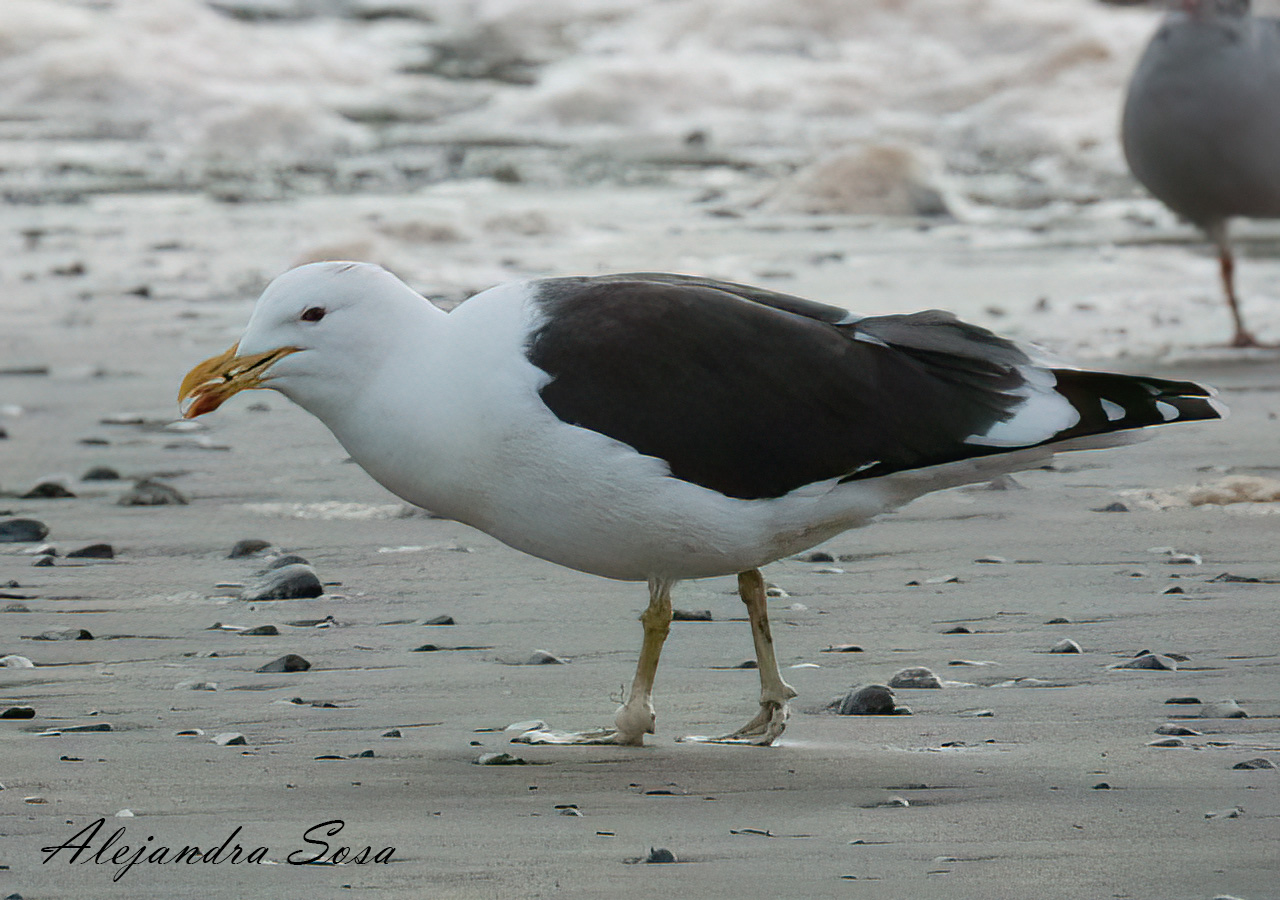
No. individuals: 30
No. coordinates: 7
No. individuals: 3
No. coordinates: 2
No. individuals: 4
No. coordinates: 2
No. individuals: 2
No. coordinates: 2
No. individuals: 4
No. coordinates: 1
No. individuals: 8
No. coordinates: 1
Conclusions
The results obtained during the autumn 2026 campaign, compared with surveys conducted during spring 2024 across approximately 30 nautical miles of navigation, reveal marked seasonal dynamics in the composition and abundance of seabirds present in the eastern sector of the Isla Grande of Tierra del Fuego and Le Maire Strait. The observed differences suggest important changes in the use of the area by different species throughout the year, associated with their breeding cycles, post-breeding movements, and seasonal distribution patterns.
Among the most notable changes was the increase of the Southern Fulmar, which shifted from being a scarce species during spring — when a large proportion of the population remains associated with Antarctic and subantarctic breeding areas — to becoming the most abundant species during the autumn survey, being widely distributed throughout Le Maire Strait and northern Staten Island. In contrast, the Sooty Shearwater, a local breeding species, showed a marked reduction in its presence following the breeding season. On the other hand, the Southern Giant Petrel, Imperial Shag, and Magellanic Diving Petrel presented lower numbers compared to spring, although methodological differences and survey conditions between both campaigns do not allow precise comparisons or robust conclusions regarding the seasonality of these species.
Although both campaigns present limitations for a strictly quantitative comparison — due to differences in navigation duration, daylight availability, and oceanographic conditions, factors that directly influence species detectability — the observed patterns highlight the importance of considering temporal variability among certain species when studying seabird communities in this poorly explored southern region. These results reinforce the need to continue conducting seasonal surveys that allow a more precise understanding of the spatiotemporal dynamics of species using this sector of the Argentine Sea.
Complete survey details
Checklist: Bahía Buen Suceso - Isla de los Estados 05/21/2026
https://www.ecoregistros.org/site/checklist.php?id=6120
Our previous work on marine fauna
Lista comentada de las aves registradas entre el Canal Beagle e Isla de los Estados, Argentina:
La Grotteria, J. & M. A. Sosa. 2025. Lista comentada de las aves registradas entre el Canal Beagle e Isla de los Estados, Argentina. Nuestras Aves, 70: 21-32. https://doi.org/10.56178/na.vi70.1121
Isla de los Estados - Relevamiento de Fauna Marina e Insular:
La Grotteria, J. & M. A. Sosa. 2024. Isla de los Estados - Relevamiento de Fauna Marina e Insular. Informe preliminar.
Lista comentada de las aves observadas en navegación entre Puerto Belgrano y la Ciudad Autónoma de Buenos Aires, Argentina:
La Grotteria, J. y M. A. Sosa. 2023. Lista comentada de las aves observadas en navegación entre Puerto Belgrano y la Ciudad Autónoma de Buenos Aires, Argentina. Nuestras Aves, 68: 147-156.
Fragata A.R.A. Libertad - Registro de fauna marina:
La Grotteria, J. & M. A. Sosa. 2023. Fragata A.R.A. Libertad - Registro de fauna marina. Informe preliminar.
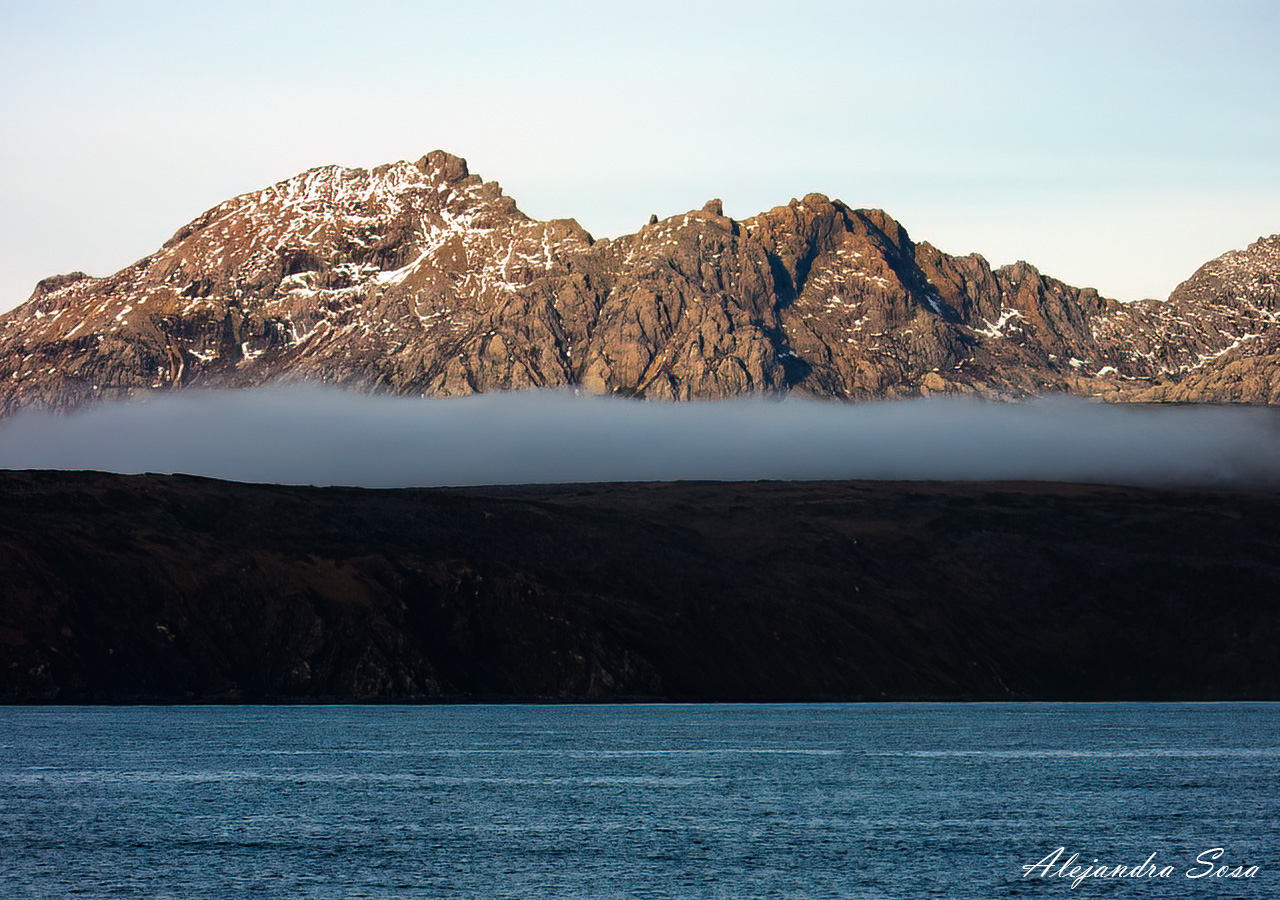
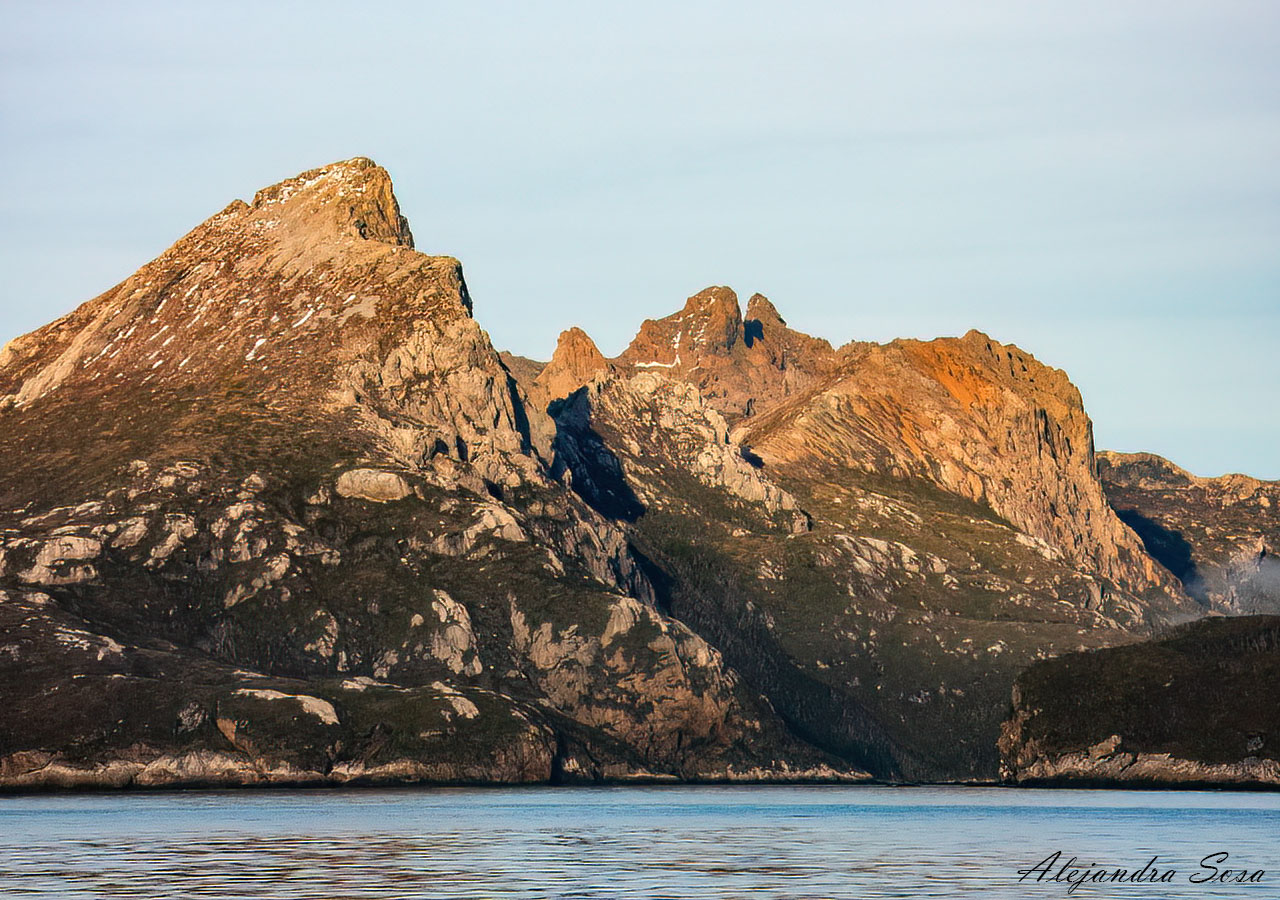
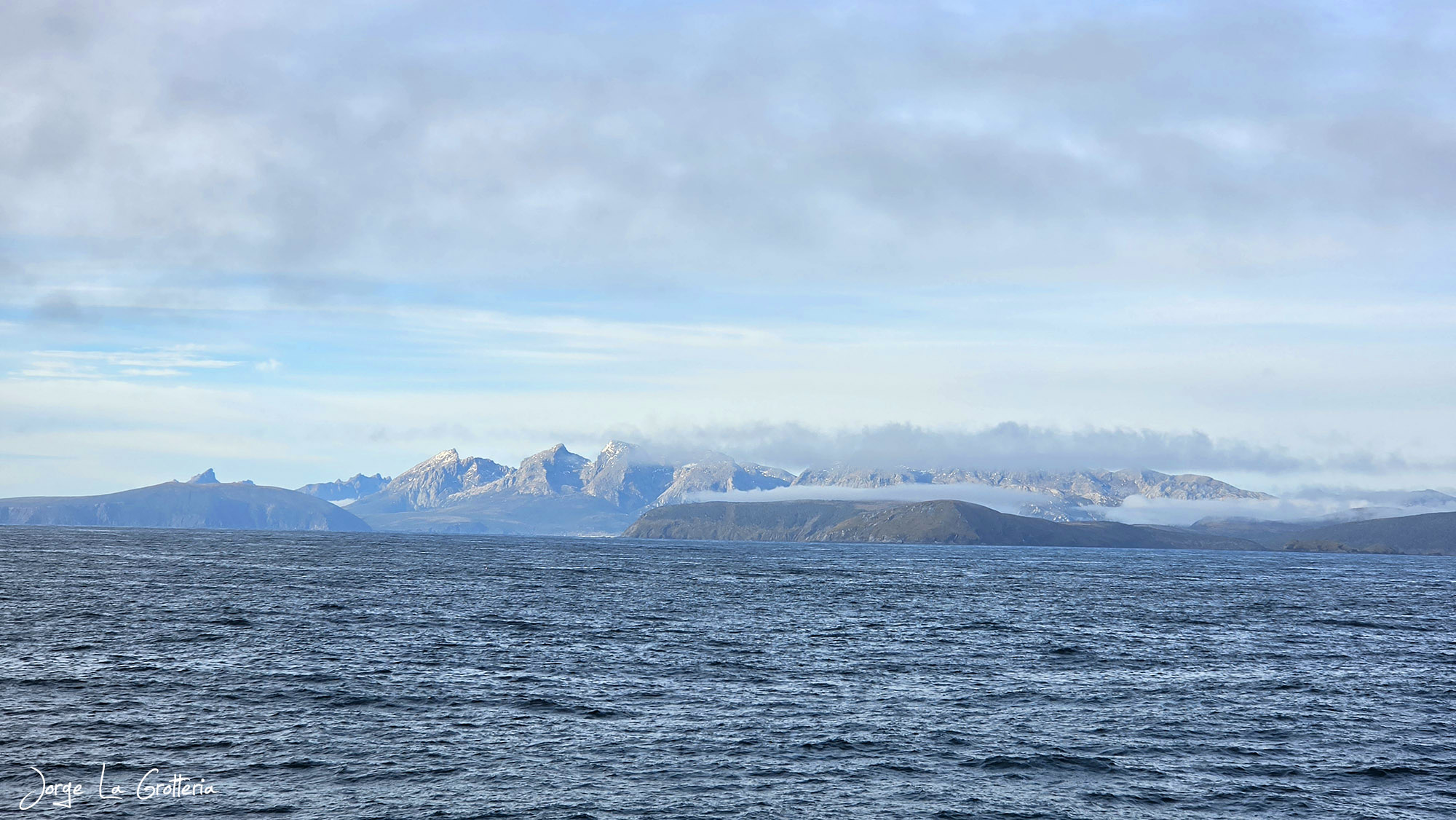
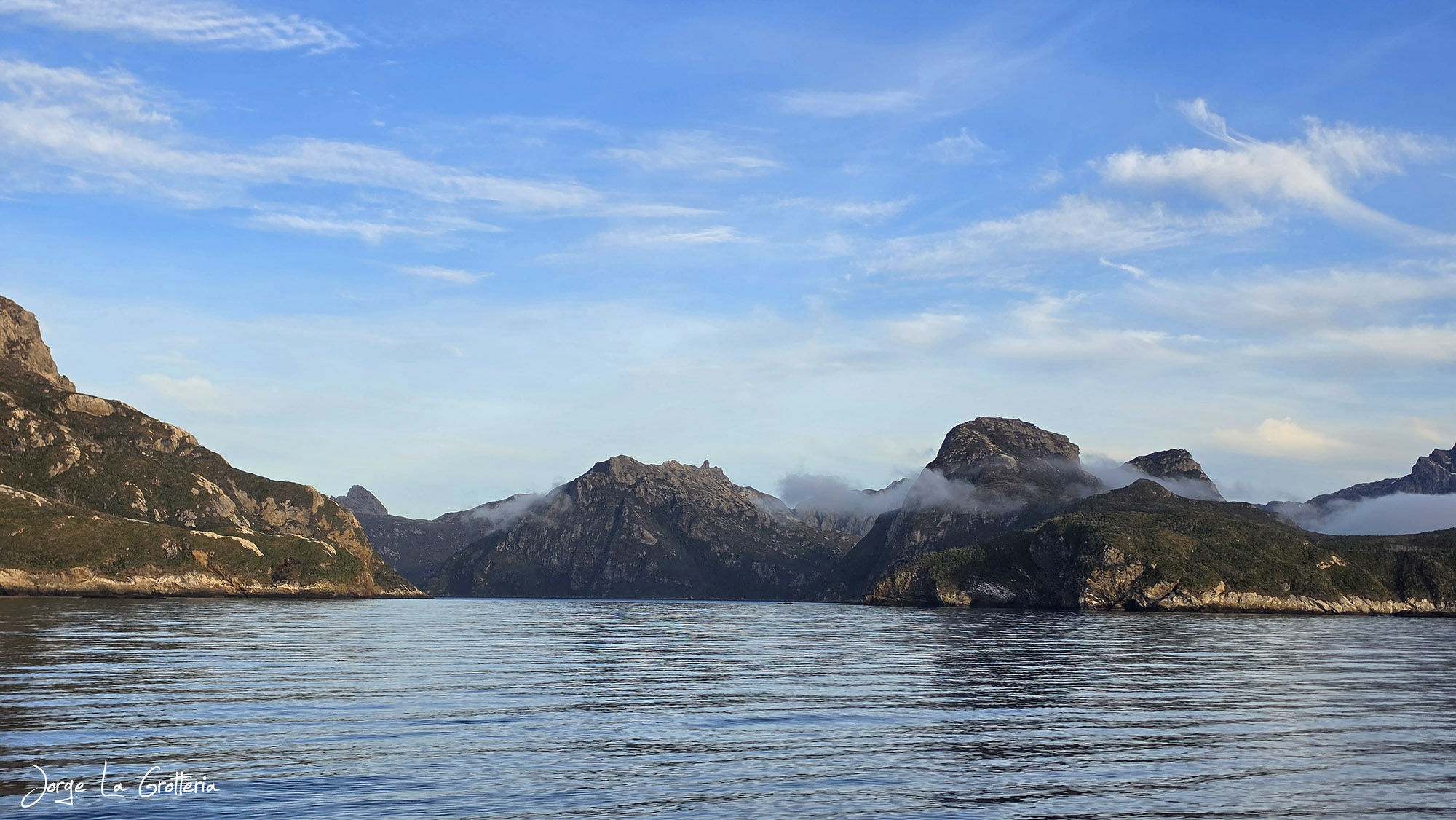
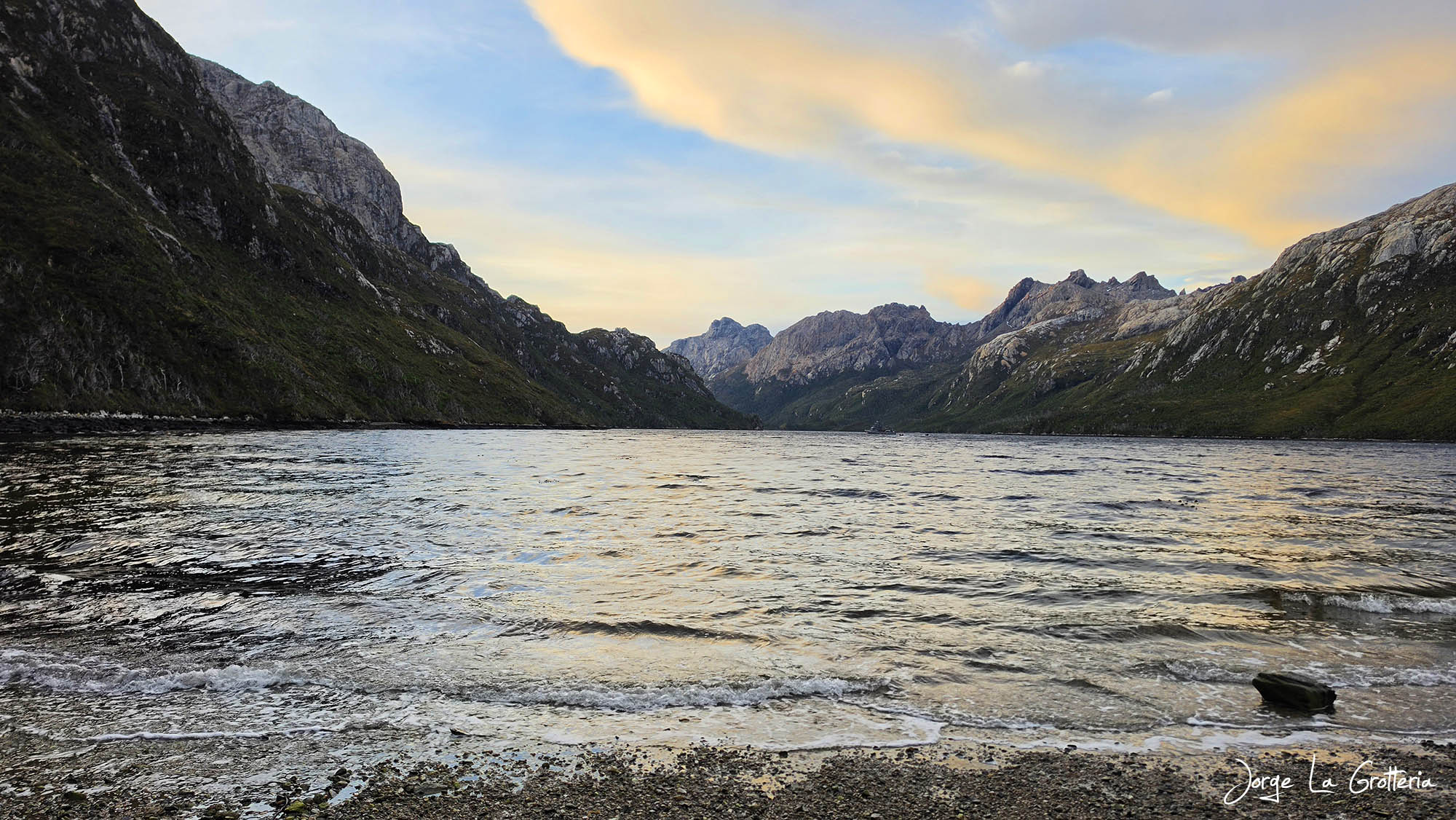
Landscapes of Isla de los Estados

Share this communication:
For more communications, go to Communications.